


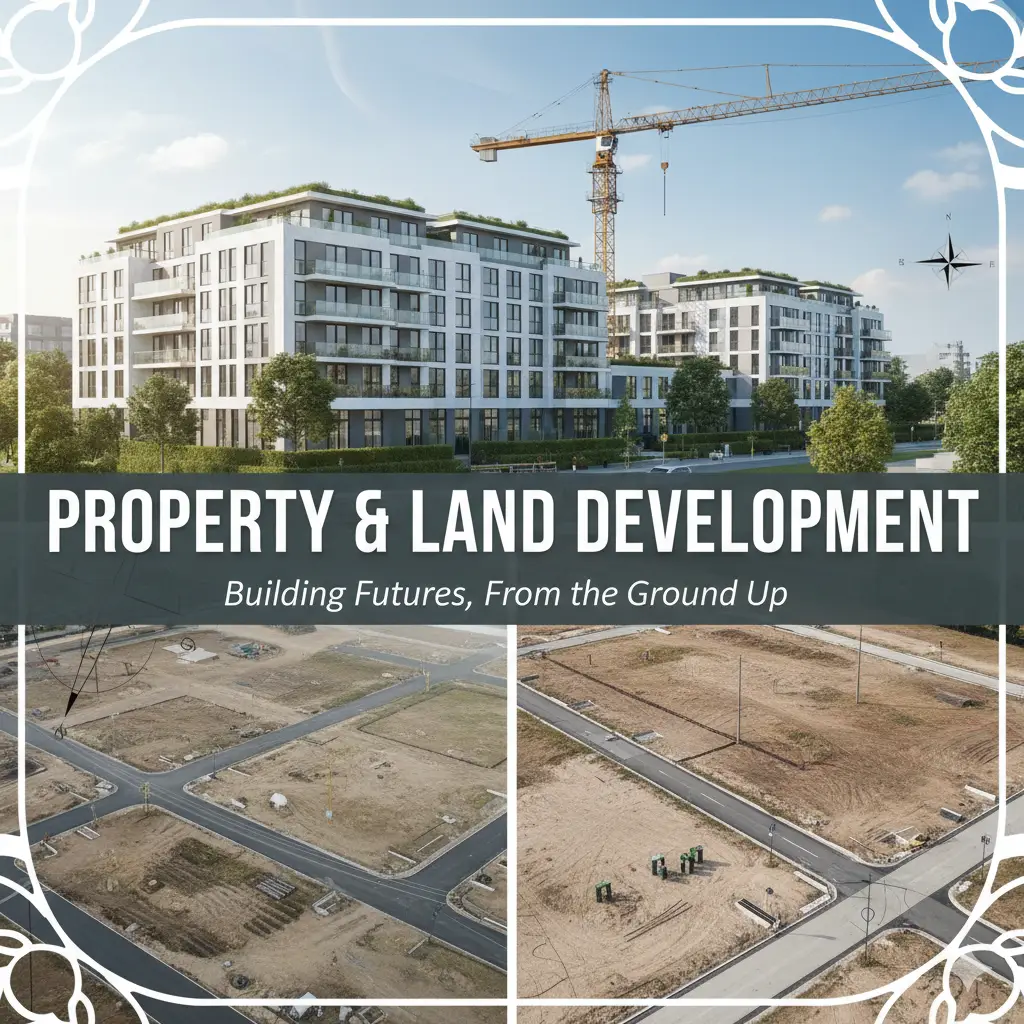
Property and land development has always been a cornerstone of wealth creation and sustainable community growth. Whether you are an individual investor, a business owner, or a large-scale developer, the journey from acquiring land to seeing a fully developed property involves a series of crucial steps. Each step must be carefully planned and executed to ensure compliance, safety, profitability, and long-term value.
In today’s competitive real estate market, property and land development services provide end-to-end solutions that guide clients through every stage—starting from land purchase and documentation to design, approvals, and financing. This comprehensive support ensures that investors can focus on their vision while experts handle the complexities of the process.
Why Property & Land Development Matters
The real estate sector is one of the most stable investment arenas globally. Unlike other investment vehicles, property and land offer tangible, appreciating assets that can generate both short-term and long-term returns. However, navigating this sector without proper guidance can be risky. Legal disputes, incorrect documentation, regulatory hurdles, or poor planning can turn a profitable opportunity into a costly mistake.
Professional property and land development services bridge this gap by offering expertise in:
-
Real estate transactions
-
Legal documentation and registration
-
Architectural and structural design
-
Cost analysis and project feasibility
-
Approvals and compliance with regulations
-
Financing and investment structuring
By engaging specialists, investors reduce risks and maximize the potential of their property.
Step-by-Step Process of Property & Land Development
1. Land Acquisition and Due Diligence
The foundation of any property development project begins with identifying and acquiring suitable land. This process requires thorough research into location, zoning laws, accessibility, and market potential. Due diligence also includes verifying ownership, ensuring the land is free of disputes, and confirming its development potential.
2. Legal Documentation and Registration
Property transactions demand airtight legal documentation. Errors or loopholes in registration can cause significant setbacks later. Professional services ensure that titles, deeds, and agreements are accurately drafted and registered with the relevant authorities. This step safeguards the client’s investment and ensures long-term security.
3. Planning and Architectural Design
Once the land is secured, the next step is conceptualizing the project. Architectural design plays a pivotal role in creating structures that are not only visually appealing but also functional, sustainable, and cost-efficient. At this stage, developers consider factors such as space optimization, environmental impact, safety standards, and modern living requirements.
4. Cost Analysis and Financial Planning
Before breaking ground, a detailed cost analysis is performed. This includes construction expenses, raw material procurement, labor, legal fees, taxes, and contingency reserves. Alongside this, financial planning ensures that the project remains profitable. Many service providers also assist with securing financing from banks and investors to make the project financially feasible.
5. Approvals and Regulatory Compliance
Every construction project requires approvals from local authorities—ranging from environmental clearance and building permits to safety certifications. Skipping this step can result in costly delays or even demolition orders. Expert guidance ensures all approvals are obtained efficiently, keeping the project on track.
6. Construction and Project Management
With approvals in place, the construction phase begins. Project management is crucial here to ensure timelines are met, budgets are controlled, and quality standards are maintained. Professional teams oversee contractors, materials, and progress reports to ensure smooth execution.
7. Handover and Investment Returns
Once completed, the property is handed over to the client. Depending on the project’s nature, this could mean residential homes, commercial complexes, or industrial spaces. At this stage, the focus shifts to monetization—through sales, leasing, or long-term rental income.
Benefits of Professional Property & Land Development Services
-
Risk Reduction: Minimized chances of legal disputes or compliance issues.
-
Time Efficiency: Faster approvals and smoother project execution.
-
Cost Savings: Accurate budgeting and financial planning prevent overruns.
-
Higher ROI: Strategic planning ensures profitable outcomes.
-
Peace of Mind: End-to-end management means clients can focus on growth while professionals handle the complexities.
The Future of Property & Land Development
With urban populations growing and demand for sustainable housing on the rise, property development is evolving rapidly. Developers today must integrate smart technologies, green building practices, and community-focused planning to meet modern demands. Investors who engage in forward-thinking development projects are more likely to see higher returns while contributing positively to society.
Moreover, governments are tightening regulations to ensure safety and sustainability. This makes expert guidance even more crucial for compliance and success.
Final Thoughts
Property and land development is not just about building structures—it’s about creating value, security, and growth opportunities for individuals and communities. From the first step of land acquisition to the final phase of project handover, having expert support ensures that investments remain safe, profitable, and sustainable.
By choosing a trusted property and land development partner, investors gain access to knowledge, resources, and networks that streamline the entire process. Whether it’s residential, commercial, or industrial development, the right guidance transforms land into lasting prosperity.